Why forecasts drift
Nobody sets out to build a dishonest pipeline. It accretes. A deal that stalled in April is still sitting in “Proposal” because closing it as lost feels like admitting defeat. A $40k opportunity is really $15k, but the number was never updated after the scoping call. Three deals belong to a rep who left last month.
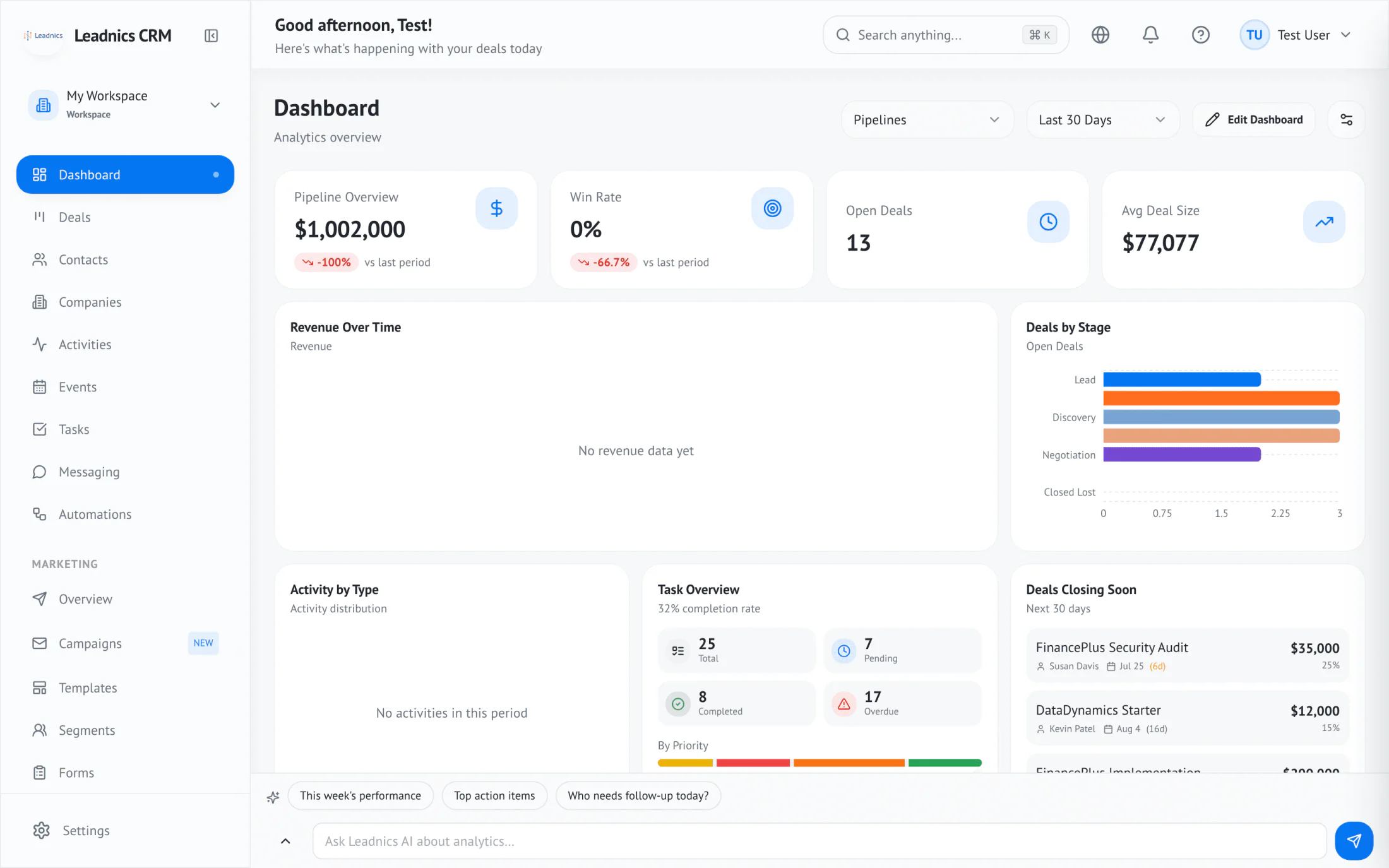
Each item is trivial. Together they mean the forecast number is fiction, and every decision built on it — hiring, spend, quota — inherits the fiction.
The 20-minute ritual
Run this once a week, same day, before the pipeline review. It’s faster with two people: one drives, one decides.
- Kill the zombies (5 min). Filter deals with no activity in 21+ days. Each one gets a next step scheduled today or gets closed as lost. No third option. A deal with no scheduled next step is just a bookmark.
- True up the amounts (5 min). Scan deals that changed stage this week. Does the amount reflect the latest conversation? Weighted forecasts are only as good as the numbers being weighted.
- Check stage honesty (5 min). Anything in a late stage without the artifact that stage implies — a proposal actually sent, a verbal actually given — moves back. A stage should record what has actually happened.
- Reassign the orphans (5 min). Deals owned by nobody, or by someone on leave, get a live owner. Unowned deals age silently.
Make the ritual cheap
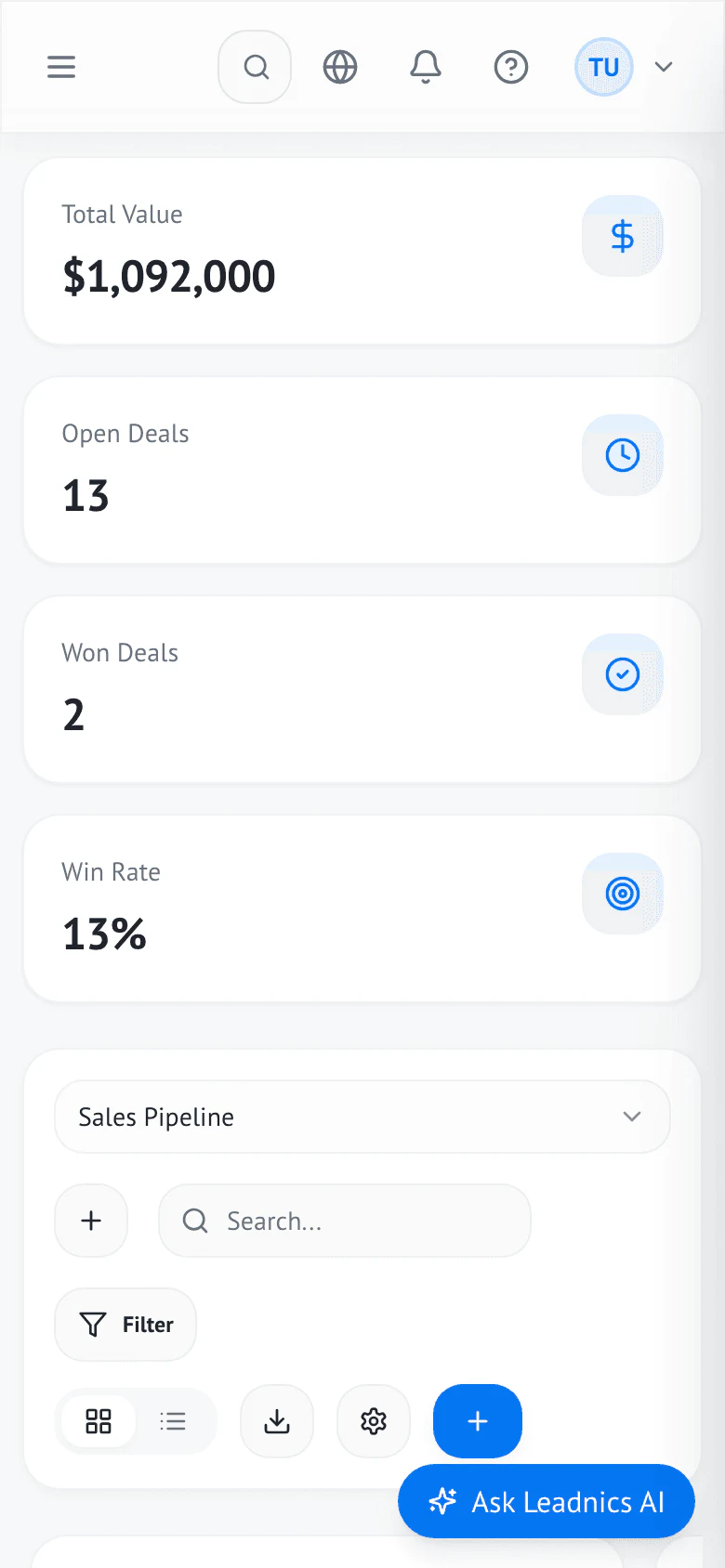
The ritual dies when it requires archaeology. Two CRM habits keep it fast: every deal always has a scheduled next activity, and every stage change requires touching the amount field. If your CRM can flag stalled deals and surface last-activity dates on the board itself, the 20 minutes becomes 10.
The payoff shows up on Friday
Teams that run this weekly stop having end-of-quarter surprises, because the bad news surfaces three weeks earlier, one small deal at a time. The forecast becomes arithmetic instead of a negotiation.
Put those twenty minutes on the calendar and the clean pipeline takes care of itself.